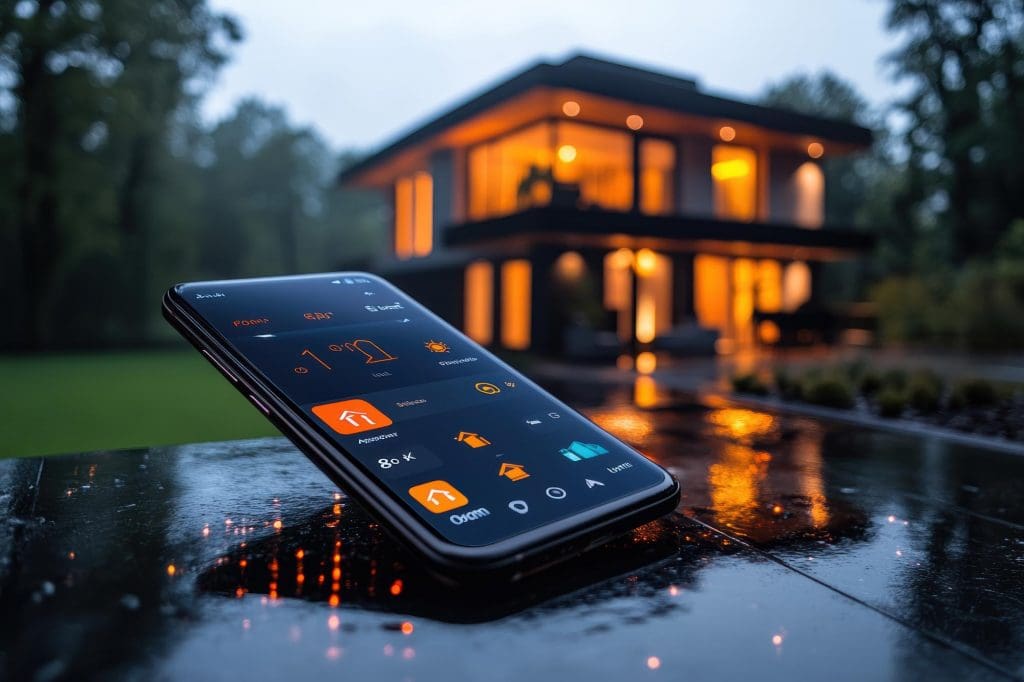
For most EV drivers, home is where charging really happens. Public charging grabs the headlines, but the quiet financial wins come from getting your home charging set up properly and letting software do the heavy lifting.
In 2026, smart charging is no longer about technical tinkering. Modern home energy apps are designed for everyday drivers, helping you charge at the cheapest times automatically while protecting your battery and reducing grid strain.
This guide explains how to master your home energy app, avoid common mistakes, and turn charging into something you rarely need to think about.
If you are still building confidence with EV basics, start with: the essential EV apps guide .
What Is Smart Charging?
Smart charging means your EV does not start charging the moment you plug it in. Instead, charging is delayed or modulated to take advantage of cheaper electricity rates, lower grid demand, or higher renewable generation.
This is controlled through a home energy app, a charger app, your vehicle’s own software, or a combination of all three.
The goal is simple: get the energy you need, at the lowest cost, with the least effort.
Why Smart Charging Matters in 2026
Electricity pricing has become more dynamic. Night rates, time-of-use tariffs, and renewable-heavy periods mean the cost of charging can vary significantly across a single day.
Smart charging allows you to:
- Charge during off-peak hours automatically
- Reduce monthly energy bills without changing driving habits
- Support grid stability by avoiding peak demand
- Extend battery longevity through gentler charging patterns
For a broader view of how pricing varies by location, see: EV charging near me .
Understanding Your Home Energy App
Most modern home energy apps share a similar core feature set, even if the interface looks different.
Key settings to understand:
- Charging schedules – set fixed times when charging is allowed
- Departure times – tell the app when the car needs to be ready
- Power limits – cap charging speed to match household capacity
- Tariff awareness – align charging with off-peak pricing
Once configured correctly, these settings rarely need adjustment.
The Biggest Mistake New EV Drivers Make
The most common error is setting schedules in multiple places.
For example, drivers may set a charging schedule in the vehicle and another in the home charger app. When these conflict, charging may fail to start or stop unexpectedly.
Best practice: choose one system as the “boss”. Either let the charger control timing, or let the vehicle do it. Avoid overlapping rules.
If you want to avoid frustration when charging away from home as well, read: how to find reliable EV charging .
Solar, Smart Charging and Self-Consumption
Many households now combine EV charging with rooftop solar.
In these setups, smart charging apps can prioritise using surplus solar generation before exporting electricity back to the grid. This increases self-consumption and improves the financial return on your solar system.
The UK government provides guidance on home energy management and smart systems here: Smart Systems and Flexibility Plan .
Does Smart Charging Affect Battery Health?
Used correctly, smart charging can be beneficial for battery longevity.
Charging overnight at lower power levels reduces thermal stress compared to repeated rapid charging. Many apps also allow you to limit daily charging to 80 percent, which is widely recommended for routine use.
Battery guidance published by the Department for Transport supports gradual charging as part of long-term EV ownership: EV charging infrastructure guidance .
Smart Charging Beyond the Driveway
While this guide focuses on home charging, the same principles apply elsewhere.
Using apps that show availability, pricing, and support secure in-app payment helps drivers avoid wasted journeys and unnecessary time outside the vehicle.
For a real-world perspective on why payment simplicity matters, read: EV charging payment safety .
FAQs
Do I need a smart charger to use smart charging?
Not always. Many EVs support scheduled charging directly. A smart charger adds flexibility and visibility but is not mandatory.
Is night-time charging always cheaper?
It depends on your tariff. Most time-of-use plans offer lower rates overnight, but you should always confirm your specific pricing.
Will smart charging slow my charging?
It may spread charging over a longer period, but your vehicle will still be ready by your chosen departure time.
Can smart charging overload my home supply?
No. Smart systems are designed to respect household limits and can reduce power automatically if demand rises.
What happens if I forget to plug in?
Smart charging cannot start without being plugged in. Many apps provide reminders or notifications to help build the habit.