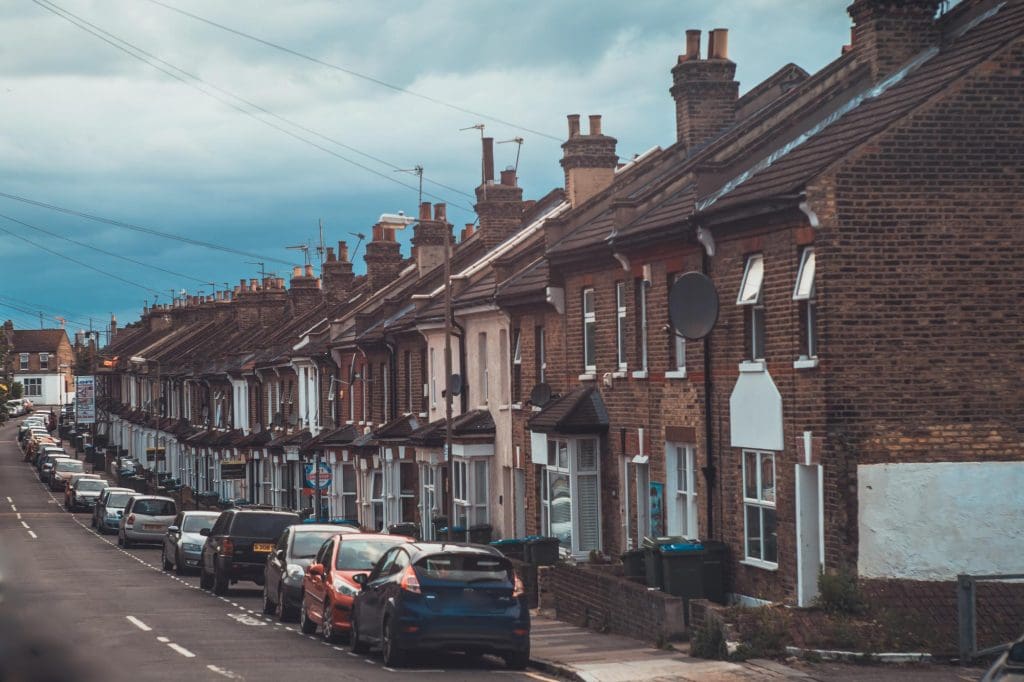
Many people assume you need a private driveway to own an electric vehicle. In reality, drivers across the UK successfully charge their EVs without ever plugging in at home.
With the UK’s public EV charging network continuing to expand and local authorities investing in kerbside infrastructure, owning an EV without off-street parking is becoming increasingly practical.
If you rely on on-street parking, shared parking or public car parks, here is how you can keep an electric car charged without having your own driveway.
Can You Own an Electric Car Without a Driveway?
Yes, you can own and run an electric car without a driveway. Instead of relying on one home charge point, you can use a combination of kerbside charging, workplace charging, destination chargers and rapid public charging.
Drivers without private parking may need to plan their charging slightly differently, but they are not excluded from switching to an EV.
The most practical charging options
- Lamppost and residential kerbside charging
- Workplace charge points
- Supermarket and retail park chargers
- Destination charging at hotels, leisure venues and car parks
- Rapid and ultra-rapid public charging hubs
Lamppost and Kerbside EV Charging
One of the most convenient solutions for drivers without a driveway has been hiding in plain sight: the street lamppost.
Some UK councils are converting suitable street lighting columns into residential EV charging points. These chargers can allow local residents to top up their vehicle while it is parked overnight.
Lamppost chargers are normally slower than rapid public chargers, but this can make them well suited to overnight charging. For drivers completing an average daily commute, several hours of slower charging may be enough to replace the energy used during the day.
Local authorities are also installing dedicated kerbside charge points next to residential parking spaces. Depending on the scheme, these may appear as small bollards, discreet charging posts or units integrated into existing street furniture.
Availability differs considerably between council areas. Check your local authority’s website for existing residential charging locations, planned installations and any resident request schemes.
Can You Run an EV Charging Cable Across the Pavement?
Running an unprotected charging cable across a public pavement can create a trip hazard and may obstruct pedestrians, wheelchair users and people with pushchairs.
Some councils permit approved pavement cable channels or gullies that allow a charging cable to pass safely between a property and the roadside. However, the rules, application process and available technology vary by local authority.
Do not assume that placing a cable cover across the pavement is automatically permitted. Contact your council before installing or using any permanent or temporary pavement charging solution.
Charge Your EV at Work
If charging outside your home is not available, your workplace could provide a convenient alternative.
Many employers have installed EV charge points in staff car parks. Charging may be provided free as an employee benefit, included within a workplace parking arrangement or billed at a subsidised rate.
If your employer has suitable parking but does not yet offer charging, it may be worth raising the subject with the facilities, sustainability or human resources team.
Workplace charging is particularly useful because a vehicle is often parked for several hours, meaning a slower charger may provide a meaningful top-up during the working day.
Use Destination Charging During Your Normal Routine
Destination charging allows you to charge while doing something else. Rather than making a separate journey purely to recharge, you can plug in while shopping, exercising, eating, working or staying at a hotel.
Supermarkets
Top up your vehicle while completing your weekly shop or collecting groceries.
Retail and leisure
Charge while visiting a shopping centre, gym, cinema, restaurant or leisure destination.
Hotels and attractions
Use longer-stay chargers while visiting a hotel, tourist attraction or UK day-out destination.
Destination charging can be especially useful for drivers who cover a relatively low weekly mileage. One or two well-timed charging sessions may provide enough energy for several days of normal driving.
Learn more about choosing charging locations in our guide to home charging versus public charging.
Public Rapid and Ultra-Rapid Charging
Rapid and ultra-rapid charge points can add a significant amount of range during a comparatively short stop. They are commonly found at motorway services, charging hubs, supermarkets, retail parks and major roadside locations.
Charging speed depends on several factors, including the charger, the vehicle’s maximum charging capability, battery temperature and current state of charge.
For more information, read our guide to EV charging speeds.
Rapid charging can make EV ownership without a driveway much easier, but it is usually more expensive per kWh than domestic charging. It may therefore be most cost-effective to combine occasional rapid charging with slower workplace, kerbside or destination charging.
How Much Does It Cost to Charge Without a Driveway?
The cost depends on where, when and how quickly you charge.
Slower residential, workplace and destination chargers can sometimes be cheaper than rapid or ultra-rapid units. Some locations may also include parking charges, time restrictions, connection fees or overstay fees.
Always check the full charging price before starting a session. This should include the price per kWh and any additional charges that apply at the location.
Our guide to UK EV charging costs explains the main factors that affect the price of a public charging session.
Plan Charging Around Your Weekly Driving
Drivers without a driveway do not necessarily need to recharge every day. Most electric cars can cover multiple days of typical driving between charging sessions.
Start by estimating how many miles you normally drive each week. You can then identify convenient locations where your vehicle is already likely to be parked for long enough to charge.
Example weekly routine
- Top up at work during one or two weekdays
- Charge during a supermarket visit at the weekend
- Use a rapid charger before a longer journey
- Use an overnight kerbside charger when available
For longer trips, use an appropriate EV route-planning strategy to identify reliable charging stops before setting off.
Use an EV Charging App to Find Public Chargers
If you depend on several public charging networks, having the right app can make a significant difference.
An EV charging app can help you find nearby charge points, check availability, review prices and manage charging sessions without searching through numerous individual network apps.
This is particularly helpful for drivers without home charging because it provides a clearer view of the charging options available near their home, workplace and regular destinations.
How ONEEV Makes Public Charging Easier
The ONEEV app brings public EV charging together in one simple experience.
With access to more than 70,000 charge points, ONEEV helps drivers:
- Search for nearby public charge points
- View live charger availability
- See transparent pricing before charging
- Start and stop compatible charging sessions through the app
- Pay securely without a subscription or RFID card
- Access charging receipts immediately
Whether you charge close to home, at work or during a longer journey, ONEEV helps you manage public charging through one app.
Find. Charge. Pay.
Search more than 70,000 UK charge points and manage your public EV charging through ONEEV.
Download ONEEV for AppleDownload ONEEV for Android
Is an EV Practical Without Home Charging?
For many drivers, yes. The answer depends on your local charging infrastructure, weekly mileage, workplace facilities and the charging options available along your normal routes.
Before choosing an electric car, check the chargers close to your home, workplace and regular destinations. Look at their pricing, operating hours, charging speeds and reliability.
Drivers new to electric vehicles may also find our EV charging guide for beginners helpful.
Frequently Asked Questions
Can I buy an electric car if I do not have a driveway?
Yes. You can charge an electric car using kerbside chargers, workplace charging, destination chargers and the UK’s public rapid charging network.
Where can I charge an EV overnight without a driveway?
Depending on your area, you may be able to use a lamppost charger, residential kerbside charge point, nearby public car park or another slower public charger that permits overnight parking.
Can I run a charging cable across the pavement?
You should not run an unprotected cable across a public pavement. Some councils offer approved cable-channel schemes, but you must check the rules and obtain any required permission from your local authority.
Is public EV charging more expensive than home charging?
Public charging is generally more expensive than charging through a domestic electricity tariff, particularly when using rapid or ultra-rapid chargers. Prices vary between locations and operators.
How often will I need to charge my EV?
This depends on the vehicle, battery size, efficiency and the number of miles you drive. Many drivers can complete several days of normal journeys before needing to recharge.
How can I find public EV chargers near me?
You can use an EV charging app such as ONEEV to search for nearby charge points, view live availability, check pricing and manage compatible charging sessions.
Charging Without a Driveway Is Becoming Easier
Not having a private driveway is no longer the obstacle it once was.
Between residential kerbside schemes, workplace charging, destination charge points, rapid charging hubs and apps that bring multiple networks together, owning an electric car without off-street parking has become a realistic option for more UK drivers.
It may require a little more planning than plugging in at home, but the growing public charging network means that drivers without driveways have more options than ever before.
Information was accurate at the time of publication in July 2026. Charging availability, pricing, council policies and government support may change.