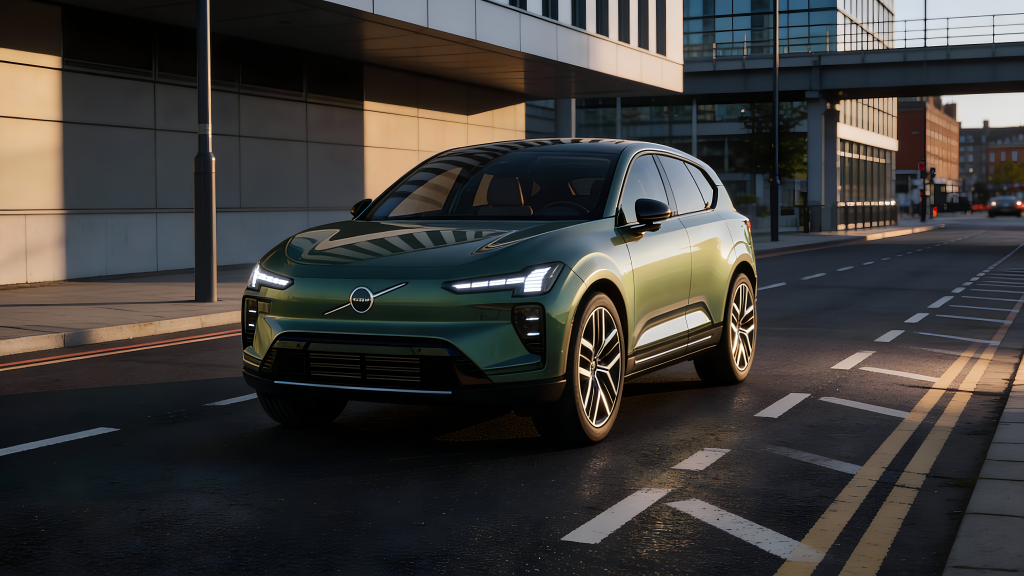
Electric SUV spotlight
Volvo has officially introduced its all-electric EX60 SUV, a model the company says will “change the game” for electric vehicles in the crucial mid-size SUV segment. The EX60 represents Volvo’s next major step in electrification as it competes with rivals such as the BMW iX3 and the Mercedes-Benz GLC Electric.
The longest range of any Volvo. Freedom to move. Electric.
Real-world results vary. Published figures are typically achieved under controlled conditions and can change based on weather, speed, route, tyres, and vehicle load.
Class-leading range and performance
At the heart of the EX60’s appeal is its remarkable electric range. The range-topping P12 all-wheel-drive variant delivers up to 503.3 miles on a single charge, making it one of the longest-range electric SUVs currently available. This figure not only surpasses Volvo’s previous EV records but also places the EX60 at the forefront of its class.
Underpinning this performance is Volvo’s new SPA3 architecture, a bespoke electric platform that enhances efficiency, weight distribution, and structural rigidity. This platform is also the backbone for improved aerodynamics and future software updates, designed to help the EX60 stay current with evolving technology long into its lifecycle.
Rapid charging for real-world use
Charging convenience is another area where the EX60 stands out. With up to 400 kW DC fast-charging capability, Volvo claims the SUV can add up to 211 miles of range in around ten minutes under ideal conditions. This kind of rapid charging can reduce downtime on longer journeys, particularly when drivers can access sites capable of sustaining high power output.
Powertrain options for different needs
Volvo offers the EX60 in three distinct powertrain variants, ensuring buyers can choose according to range and performance preferences:
- P6 RWD: A rear-wheel-drive model with around 385 miles of range.
- P10 AWD: An all-wheel-drive version with approximately 410 miles of range and stronger performance.
- P12 AWD: The flagship version that combines the longest range with up to 680 hp and rapid acceleration from 0 to 62 mph in 3.9 seconds.
This spread of options means the EX60 can appeal to a broad range of buyers, from those focused on efficiency to those seeking performance.
Technology and connectivity
Inside, the EX60 brings advanced infotainment and connected car technology to the fore. Powered by Volvo’s latest HuginCore computing system, the SUV integrates high-performance hardware and software developed with partners such as Google, NVIDIA, and Qualcomm. One of the standout features is the integration of Google’s Gemini AI assistant, which enables intuitive, natural voice interaction without the need to memorise specific commands.
The premium audio system from Bowers & Wilkins, complete with immersive spatial sound, further enhances the in-car experience.
Safety as a cornerstone
Safety remains central to Volvo’s design philosophy. The EX60 incorporates an extensive suite of sensors and safety systems, all of which work together to continually assess the vehicle’s environment. This includes Volvo’s multi-adaptive safety belt, a world-first innovation that adjusts restraint forces based on occupant size and crash severity, offering tailored protection for individuals.
Market position and launch
The EX60 is positioned as the electric successor in spirit to Volvo’s hugely successful XC60. It was officially revealed in January 2026, with production set to begin later this year. UK deliveries are anticipated to start from autumn 2026, and pricing will reflect its premium positioning in the electric SUV market.
Watch the Volvo EX60 video
If you are watching on mobile, rotate to landscape for the cleanest view.
Sources and further reading
Source coverage: EV Magazine. For official Volvo information: Volvo Cars.
FAQs
Is 503.3 miles achievable in everyday UK driving?
Treat it as a published combined figure. Cold temperatures, higher motorway speeds, headwinds and heavy loads can reduce range. Milder weather and steady speeds can move results closer to the headline number.
Does 10 to 80 per cent in 18 minutes apply at every rapid charger?
No. It depends on the charger’s capability and how well it can sustain high power, plus the battery’s temperature and state of charge. Charging usually slows as the battery fills, so the mid-window figure is the most useful reference.
What should drivers focus on for long trips: peak kW or total charging time?
Total charging time for a useful window, such as 10 to 80 per cent, matters more for planning. Peak kW can be brief, while sustained power determines how quickly you get back on the road.
Why do published EV specs sometimes differ between sources?
Specifications can vary by market, test cycle, trim level and software updates. The most reliable approach is to cross-check the manufacturer’s figures and treat early reporting as provisional until final UK specifications are confirmed.