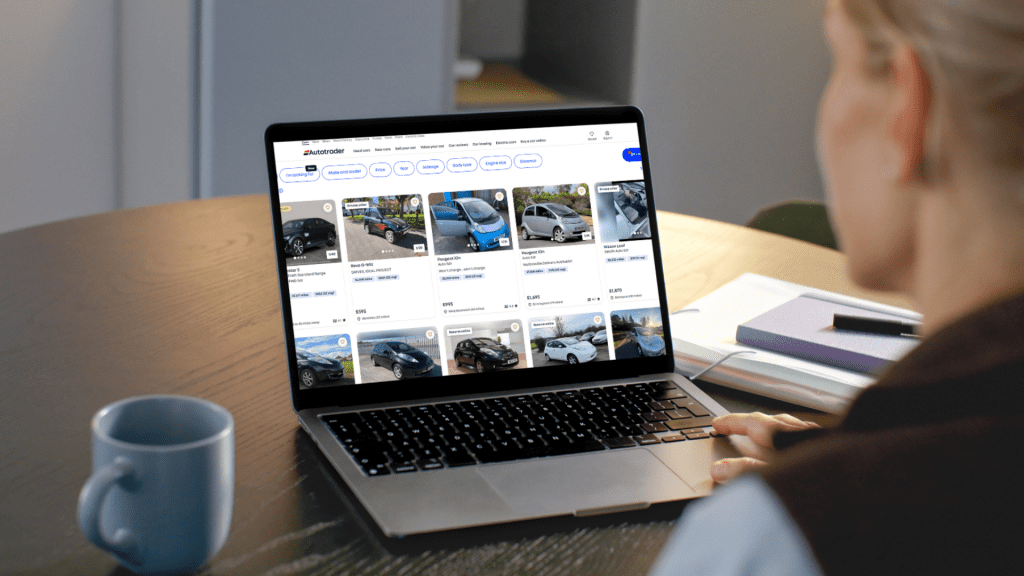
For years, buying an electric car felt like a new-car conversation. New model. New technology. New price tag. For many UK drivers, that made EV ownership feel exciting but just out of reach. Now the market is changing. Used electric cars are arriving in bigger numbers, prices are becoming more realistic, and your first EV might not be brand new at all.
That could be a very good thing.
The used EV market is starting to do what every new technology market eventually needs it to do: open the door to more people. Not just early adopters. Not just company car drivers. Not just those able to spend heavily on the latest model. Ordinary drivers are beginning to see electric cars as a practical used-car choice.
And that matters, because the UK transition to electric driving will not be won only in shiny new-car showrooms. It will be won when second-hand EVs become normal, trusted and easy to live with.
The used EV market is growing up
The UK used car market has always been essential. Most drivers do not buy new cars. They buy cars that have already done a few years, lost the sharpest edge of depreciation and become more affordable for normal household budgets.
Electric cars are now entering that same cycle.
Company cars, salary sacrifice vehicles, leases and early private purchases are starting to flow back into the second-hand market. That means more choice, more price points and more realistic entry routes for drivers who like the idea of going electric but do not want a new-car monthly payment.
According to SMMT, used battery electric car sales rose sharply in 2025, reaching a record 274,815 transactions. That is still a small share of the wider used market, but the direction is clear. The second-hand EV market is no longer a niche corner of the forecourt. It is becoming one of the most important parts of the electric transition.
The ONEEV view
The used EV boom is not just about cheaper cars. It is about confidence. Drivers need to know what they are buying, how far it will go, where they will charge and how to make electric driving feel simple from day one.
Why your first EV might be used
There is a simple reason used EVs are becoming more interesting: price.
New EVs have improved dramatically, but many still sit at higher price points than some drivers are comfortable with. The used market changes that. As more early-generation and nearly new EVs become available, drivers can access electric motoring at lower upfront costs.
Auto Trader has reported that more early-generation electric cars are entering the used market, creating more options below £10,000 and £15,000. It has also noted that electric cars priced below £20,000 now attract nearly half of used EV enquiries on its platform.
That is important because affordability remains one of the biggest barriers to EV adoption. Many drivers are not against electric cars. They are against feeling priced out before the conversation even starts.
A used EV can change the conversation from “Can I afford to go electric?” to “Which electric car fits my real life?”
A used EV is not second-best
There is a lazy assumption that buying used means compromising. With EVs, that is not always fair.
A three-year-old electric car may still feel modern, quiet, quick and refined. Many EVs have strong standard equipment, automatic driving, smooth acceleration, regenerative braking and low day-to-day running costs. For urban driving, commuting, school runs, local business use and regular short journeys, a used EV can be more than enough car.
In some cases, buying used may even be the smarter ownership decision. You avoid the steepest early depreciation, you may get more car for your money, and you can focus on practical needs rather than showroom sparkle.
The key is not whether the car is new or used. The key is whether it suits your life.
What to check before buying a used electric car
Buying a used EV is not frightening, but it does require a slightly different checklist. You still need to check the basics: condition, tyres, brakes, service history, mileage, ownership history, finance status and whether everything works as expected.
But EVs add a few extra questions.
1. Battery health
Ask whether the seller can provide a battery health report or state-of-health check. Battery degradation is usually gradual, but it affects real-world range, so it is worth understanding before you buy.
2. Real-world range
Do not judge the car only by its original advertised range. Ask what the car realistically achieves now in normal driving, especially in winter.
3. Charging connector and cables
Check the charging port, cable condition and whether the car includes the right cables. Missing or damaged cables can add cost after purchase.
4. Charging speed
Older EVs may have slower rapid charging or smaller batteries. That may be perfectly fine for local driving, but it matters if you regularly travel long distances.
5. Battery warranty
Many EV battery warranties run for around eight years or 100,000 miles, often with a minimum retained capacity condition. Check what remains and whether it transfers with the car.
6. Software updates
Some EVs improve through software updates. Check whether the car has been maintained and updated properly.
7. Road tax and running costs
Electric cars are no longer automatically road-tax free. Check the vehicle’s registration date and original list price so you understand any Vehicle Excise Duty or Expensive Car Supplement implications.
Battery health matters, but do not panic
Battery anxiety is understandable. For petrol and diesel buyers, the engine has always been the big-ticket concern. For EV buyers, attention naturally shifts to the battery.
The good news is that EV batteries are generally designed for long service life. RAC guidance notes that most EV battery warranties cover around eight years or 100,000 miles, often guaranteeing that the battery retains at least 70% of its original capacity during that period.
That does not mean every used EV is perfect. It means buyers should be informed rather than fearful.
A battery health report, realistic range check and proper service history can give you a clearer picture. If the car has lost some range but still comfortably covers your daily needs, it may remain a perfectly sensible purchase.
The question is not “Is the battery brand new?” The question is “Does this car still do what I need it to do?”
Older EVs can be brilliant, but know their limits
Some early EVs were built for a different charging world. Smaller batteries. Shorter range. Slower rapid charging. Less advanced infotainment. Fewer driver-assistance features. That does not make them bad cars. It makes them cars that need to be matched to the right owner.
A short-range used EV could be ideal for a second family car, a commuter vehicle, a city car, a school-run machine or a local business runabout. It may be less ideal if you regularly drive hundreds of motorway miles and expect short charging stops every time.
This is where honest self-assessment matters.
How many miles do you really drive each day? Can you charge at home, work or nearby? Do you need rapid charging often, or only occasionally? Do you mostly drive locally? Are you buying one car to do everything, or adding an EV for everyday use?
The right used EV is not always the one with the biggest battery. It is the one that matches your routine.
Used EVs make charging knowledge even more important
When you buy a used EV, you are not just buying a car. You are buying a new way of driving.
That is where many new EV drivers need support. The car may be affordable, but the charging world can still feel unfamiliar. AC charging. DC rapid charging. Type 2. CCS. CHAdeMO. Kilowatts. Kilowatt-hours. Pre-authorisations. Receipts. Public tariffs. Home charging. Workplace charging.
It sounds like a lot at first. In reality, most drivers quickly develop a rhythm. Charge where you park. Use rapid charging when speed matters. Plan longer journeys around natural stops. Keep an eye on price and availability. Build a shortlist of reliable local charging locations.
The easier that process feels, the more confident the new EV driver becomes.
How ONEEV helps new used-EV drivers
ONEEV is designed to make public EV charging easier to understand and simpler to use. That matters especially for drivers buying their first used electric car.
A used EV buyer may not have had a full dealership handover. They may not know which chargers suit their car. They may not know where to start when planning a longer journey. They may not yet understand the difference between a slow top-up and a rapid motorway stop.
ONEEV helps by giving drivers a clearer way to find public charging locations, understand charging options, manage charging where supported and reduce the confusion that often comes with public charging.
If you are starting your EV journey, explore EV Charging Near Me. If you want a simple charging walkthrough, read How to Charge Your EV in 4 Easy Steps with the ONEEV App. If you are comparing charging costs, our guide to finding cheaper EV charging stations near you is a useful next step.
Used EV buyers should think about total cost, not just purchase price
The cheapest used EV is not always the best value. A very low purchase price may look attractive, but you still need to consider insurance, tyres, charging access, road tax, warranty cover, range and whether the car suits your driving.
Electric cars can offer lower day-to-day running costs, especially if you can charge at home or access good-value public charging. They also have fewer moving parts than combustion vehicles, which can reduce some servicing costs. But they are not cost-free, and buyers should avoid making decisions based on fuel savings alone.
Think like an owner, not just a buyer.
What will the car cost each month? Where will you charge it? How often will you use public charging? What range do you need in winter? What happens if your circumstances change? Does the car have enough charging speed for occasional long trips?
A used EV can be a brilliant financial decision, but it should still be a considered one.
The used EV boom could bring more drivers into electric life
The used EV market is one of the most important pieces of the UK’s electric future. New EVs prove the technology. Used EVs make the technology accessible.
As more second-hand electric cars arrive at realistic prices, more drivers will be able to consider switching. That could include younger drivers, families on tighter budgets, commuters, small business owners, city drivers and households looking for a practical second car.
But affordability alone will not be enough. Buyers also need confidence. They need to understand battery health, real-world range, charging options and the total cost of ownership. They need tools that make the experience less technical and more everyday.
That is why the used EV boom is not just a car market story. It is a driver confidence story.
The verdict: your first EV does not have to be new
If you are thinking about switching to electric, do not assume your first EV has to come straight from the factory.
A used electric car could offer a more affordable route into EV ownership, especially if your driving is predictable, your range needs are realistic and you understand how and where you will charge.
Buy carefully. Check the battery. Understand the range. Look at the charging speed. Check the cables. Think about tax and insurance. Make sure the car fits your real life, not just your best-case weekend fantasy.
Then build your charging routine around confidence, not guesswork.
The used EV market is growing. Choice is improving. Prices are becoming more accessible. And for many UK drivers, the smartest first step into electric driving may not be a brand-new car at all.
It may be the right used EV, supported by the right charging app, and a little confidence before every journey.
Starting your EV journey?
ONEEV helps UK and Ireland drivers find public chargers, understand charging options and make electric driving simpler from day one.
Explore ONEEVFAQs
Is buying a used electric car a good idea in the UK?
Buying a used electric car can be a good idea if the vehicle suits your driving needs, has a clear history, enough real-world range and a battery in good condition. The used EV market is growing quickly, giving buyers more choice at lower price points.
What should I check before buying a used EV?
Check the battery health, real-world range, service history, charging cables, charging port, warranty cover, tyres, brakes, software updates, insurance costs and road tax position.
Do used electric cars lose battery range?
All EV batteries gradually degrade over time, but many modern EV batteries are designed to last for many years. A battery health check can help confirm how much usable capacity remains.
Are used EVs cheaper to run than petrol cars?
Used EVs can be cheaper to run than petrol cars, especially where drivers can access affordable home, workplace or good-value public charging. However, total cost depends on purchase price, insurance, tyres, tax, charging habits and mileage.
How can ONEEV help if I buy a used electric car?
ONEEV helps new and experienced EV drivers find public charging locations, understand charging options, manage sessions where supported and make public charging feel simpler and more predictable.