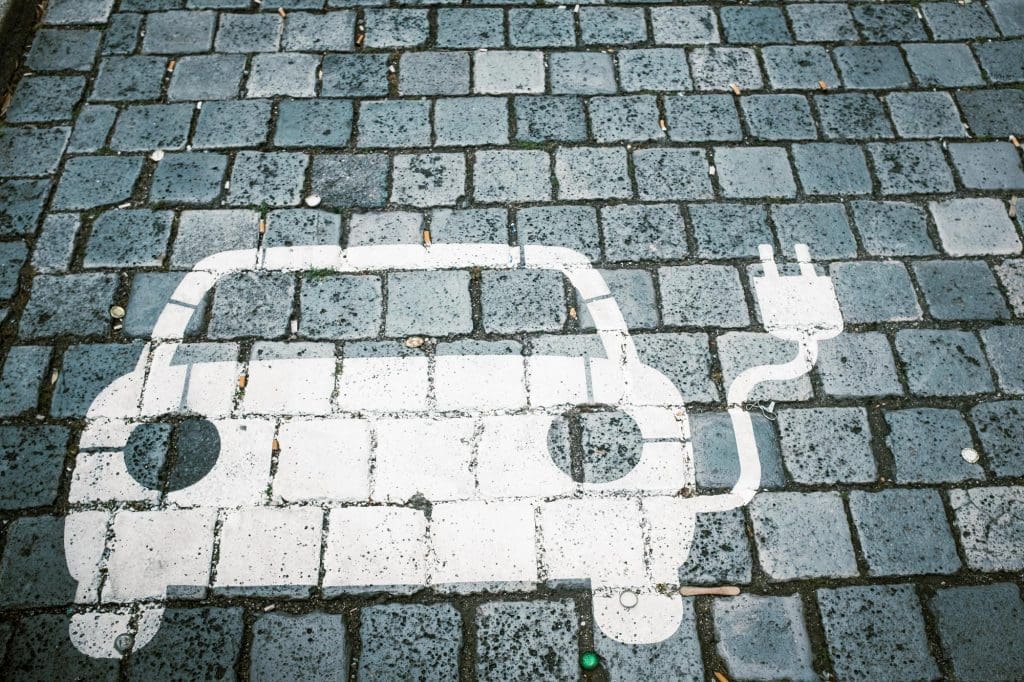
Public charging is shared space. In 2026, as EV numbers continue to grow, the success of charging infrastructure depends as much on behaviour as it does on hardware.
Most charging frustration does not come from a lack of chargers. It comes from small moments of friction between drivers who were never taught the rules because, officially, there are none.
This guide sets out the unwritten etiquette that keeps public charging calm, fair, and predictable for everyone.
If you are still building confidence with public charging locations, start here: EV charging near me .
Rule One: Do Not Charge Longer Than You Need
Public chargers are not parking spaces.
Once your car has reached a sensible level for onward travel, it is time to move on. Sitting at 100 percent while others wait creates unnecessary tension.
As a general guide, charging to around 80 percent is enough for most journeys and significantly reduces dwell time.
Rule Two: Rapid Chargers Are for Rapid Stops
High-power chargers exist to keep journeys moving.
If your vehicle cannot accept high charging speeds, or if you plan to leave the car unattended for a long period, a slower charger is usually more appropriate.
This simple consideration helps ensure rapid chargers remain available for drivers who genuinely need them.
Rule Three: Move Your Car Promptly When Finished
Few things cause more frustration than a finished car blocking a charger.
If your session ends, return to your vehicle and vacate the bay as soon as practical. Many apps now send notifications when charging completes. Use them.
Blocking a charger after charging has stopped is the EV equivalent of leaving your car at a fuel pump.
Rule Four: Check Before You Plug In
Not every cable fits every car, and not every charger is suitable for every use case.
Before connecting, check power rating, connector type, and pricing. This avoids aborted sessions and unnecessary bay occupation.
For drivers unsure about payment methods and session control, this real-world account provides useful context: EV charging payment safety .
Rule Five: Be Visible, Be Approachable
A nod, a brief conversation, or a simple update can defuse most charging conflicts.
If someone is waiting, letting them know how long you expect to be can make a big difference. EV charging works best when drivers treat it as a shared experience rather than a private one.
Rule Six: Do Not Unplug Other Cars
This may seem obvious, but it still happens.
Unplugging another vehicle without permission breaks trust and can cause real disruption, particularly if the driver relies on that charge to continue their journey.
If there is an issue, report it through the charging network or app rather than taking matters into your own hands.
Rule Seven: Respect Destination Charging
Hotel, gym, and workplace chargers are designed for longer stays.
These are not rapid top-up points. Use them as intended, and avoid monopolising them if alternatives are available nearby.
Understanding the difference between destination and en-route charging reduces conflict and improves availability.
Why Etiquette Matters More in 2026
As charger numbers grow, so does diversity of use.
New drivers, visitors, company car drivers, and long-distance travellers all converge on the same infrastructure. Clear social norms prevent small issues from becoming systemic problems.
Good etiquette does not slow adoption. It accelerates it by making charging feel predictable and civil.
Supporting Standards and Guidance
While etiquette is informal, formal expectations around charging infrastructure and accessibility continue to develop.
The UK government outlines minimum standards and user expectations here: EV charging infrastructure guidance (GOV.UK) .
FAQs
Is it rude to charge to 100 percent?
Not always, but at busy locations it is considerate to stop once you have sufficient range.
Can I unplug someone if their car is finished?
No. Always wait or report issues through the network instead.
How long should I stay at a rapid charger?
Only as long as needed to continue your journey comfortably.
Are etiquette rules legally enforced?
No. They are social norms rather than legal requirements.
Does good etiquette really make a difference?
Yes. Most public charging issues are behavioural rather than technical.