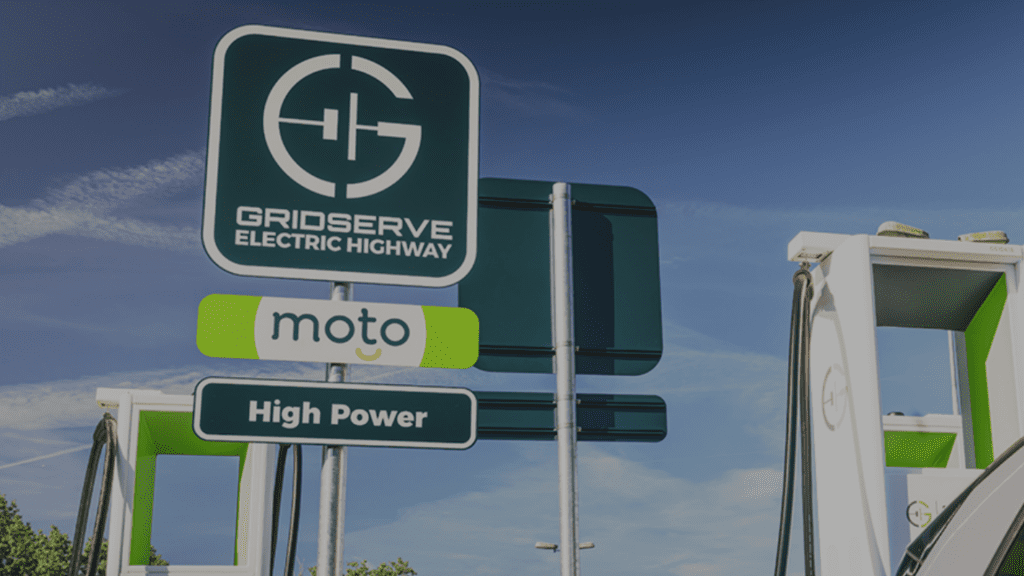
Long motorway journeys in an EV are the scenario that worries potential buyers most and, once you have done a few, concerns existing owners least.
The first time you stop at a motorway service area to charge, there is a period of recalibration. You are not filling up in three minutes and leaving. You are parking, plugging in, and spending 20 to 30 minutes doing something you would probably have done anyway: eating, using the facilities, answering a message or walking around.
By the second or third long journey, it becomes part of the rhythm. By the tenth, you barely think about it.
That said, long-distance EV driving in the UK has its own habits and expectations. This guide explains how to plan, what to charge to, how long motorway charging takes, what it costs, and why using a real-time charging app like ONEEV can make the whole journey easier.
Quick Answer: Are Long Motorway Journeys Easy in an EV?
Yes, provided you plan charging stops properly. Modern EVs have the range, motorway charging has improved significantly, and real-time charging apps help you check availability before you arrive. The main difference is rhythm: short planned charging stops replace reactive petrol station refuelling.
The Motorway Charging Network in 2026
Motorway and major A-road charging in the UK has improved considerably over recent years. The focus for infrastructure operators has shifted from simply adding chargers to improving speed, reliability and coverage at the busiest locations.
Government data shows that by April 2025 there were more than 5,500 open-access rapid and ultra-rapid charge points within one mile of England’s Strategic Road Network. By July 2025, more than 1,100 charge points were specifically located at motorway service areas, with provision having more than trebled over the previous three years.
National Highways is also supporting the roll-out of motorway charging through the Rapid Charging Fund and related strategic charging infrastructure work.
The practical reality is straightforward. On major motorway corridors such as the M1, M4, M6, M25 and similar routes, rapid charging is increasingly available and improving. On quieter A-roads and rural cross-country routes, advance planning remains more important.
How to Plan a Motorway Journey
The days of manual range calculations and spreadsheet-style planning are largely over. Most modern EVs include route planning that calculates charging stops based on your destination, current battery level, expected consumption and available charging locations.
Set your destination and let the car suggest where to stop. The best systems optimise for total journey time, not just the fastest individual charge.
Before leaving, it is still sensible to do a quick manual check. Open ONEEV and review live availability at your planned stops. Real-time charger status helps you see whether the chargers are available, occupied or potentially out of service before you rely on them.
How to Plan a Long EV Motorway Journey
- Start with a high battery level, ideally 100% for your first few long trips.
- Enter your destination into your EV’s built-in navigation.
- Review the suggested charging stops.
- Check charger availability in ONEEV before you leave.
- Identify one backup charger within 15 to 20 miles of each planned stop.
- Charge to around 80% at en-route stops unless your next leg requires more.
What to Charge To: The Golden Rule
On motorway journeys, charge management matters more than it does in daily driving.
Aim to arrive at planned charging stops with around 15 to 25% battery. Arriving very low creates unnecessary stress and leaves less room for disruption if a charger is busy or unavailable.
For en-route rapid charging, 80% is usually the target. Most EV batteries charge fastest between roughly 10% and 80%. Above 80%, the charging speed normally tapers to protect the battery, which means the final 20% can take disproportionately longer.
The exception is simple: if your next leg genuinely needs the extra range, charge higher. Rural routes, late-night journeys and areas with fewer chargers may justify a higher buffer.
The 80% Rule for Motorway Charging
For most long journeys, several shorter stops to around 80% are faster than waiting for the battery to reach 100%. Your car charges quickest in the middle of the battery range, so let the route planner optimise the journey.
How Long Does Motorway Charging Actually Take?
At a 150kW or higher ultra-rapid charger, many modern EVs can add around 100 to 150 miles of range in roughly 15 to 25 minutes, depending on the vehicle, battery temperature and current state of charge.
At an older 50kW rapid charger, the same 100-mile top-up can take closer to 35 to 50 minutes.
In real life, planned charging stops on long journeys are typically around 20 to 30 minutes at a well-equipped motorway or major-route site. That often aligns naturally with a service station break.
After the first few journeys, most drivers stop seeing charging as a delay and start seeing it as part of the trip rhythm.
Reliability: The Honest Assessment
Charger reliability has improved, but it has not been solved perfectly.
Newer ultra-rapid charging hubs at well-maintained motorway and retail locations are generally a better experience than older single-unit rapid chargers. However, issues still happen: occupied bays, damaged connectors, payment faults, software problems or reduced charging speeds.
The practical mitigation is simple: check live status before you arrive and keep a backup option in mind.
ONEEV shows real-time charger availability across the UK and Ireland, so you can check whether a charger is available before building your route around it. For longer motorway journeys, it is sensible to identify one alternative charging location within 15 to 20 miles of each planned stop.
Motorway Charging Costs in 2026
Public rapid charging is more expensive than home charging. That is one of the key differences new EV drivers need to understand.
Motorway rapid charging prices commonly vary by network, location and payment method. As a broad planning assumption, many rapid and ultra-rapid charging sessions sit somewhere around the 55p to 85p per kWh range, although promotional rates, subscriptions and off-peak offers can change the final cost.
At 70p per kWh, adding 100 miles of range in an efficient EV averaging 3.5 miles per kWh costs around £20.
This is why the best cost model for most EV drivers is a blend: charge cheaply at home for everyday use, then use rapid public charging for motorway journeys where speed and convenience matter most.
ONEEV shows pricing before you connect, helping you avoid uncertainty and understand what you are paying before the session begins.
Tips for Your First Long EV Journey
- Start with 100%. For your first few long journeys, charge fully at home before leaving. It gives you maximum buffer while you build confidence.
- Let the car plan the route. Modern EV navigation is designed to account for battery level, charger locations and arrival charge.
- Know your car’s maximum charge rate. A 150kW charger will not deliver 150kW if your EV can only accept 100kW.
- Set up the app before you travel. Download ONEEV and add your payment method before your first long journey.
- Have one backup charger per leg. You probably will not need it, but it removes stress if your first choice is busy or unavailable.
- Do not chase 100% at every stop. Charging to 80% and moving on is usually faster overall.
The Long-Distance EV Journey in 2026: A Summary
Motorway driving in an EV is not a compromise that requires white-knuckle range management. It is simply a different rhythm from petrol.
You plan stops rather than reacting to an empty tank. You charge during the break you would probably have taken anyway. You use live data instead of guesswork.
The infrastructure is improving, the cars have the range, and apps like ONEEV give you the real-time information needed to make confident decisions. What remains is the first journey. After that, theory becomes experience.
Your First Long EV Trip Is Simpler Than You Think
Download ONEEV on iOS or Android to search chargers, check live availability, see pricing and pay securely in-app.
Frequently Asked Questions
How do I find rapid chargers on motorways in the UK?
Most modern EVs include built-in navigation that identifies charging stops automatically. ONEEV also shows real-time charger availability, helping you check live status before relying on a specific location.
How long does motorway EV charging take?
At a 150kW or higher ultra-rapid charger, many modern EVs can add around 100 to 150 miles in about 15 to 25 minutes. At a 50kW charger, the same top-up can take closer to 35 to 50 minutes.
How much does motorway EV charging cost?
Motorway rapid charging prices vary by network and location, but many sessions fall around 55p to 85p per kWh. ONEEV shows upfront pricing before you connect.
Should I charge to 100% before a long journey?
For your first few long journeys, starting at 100% from home gives you extra confidence. For en-route stops, charging to around 80% is usually faster overall unless your next leg needs more range.
What if a charger is broken when I arrive?
Check live availability in ONEEV before leaving and identify a backup charger within 15 to 20 miles of each planned stop. Reliability has improved, but backup planning remains sensible.