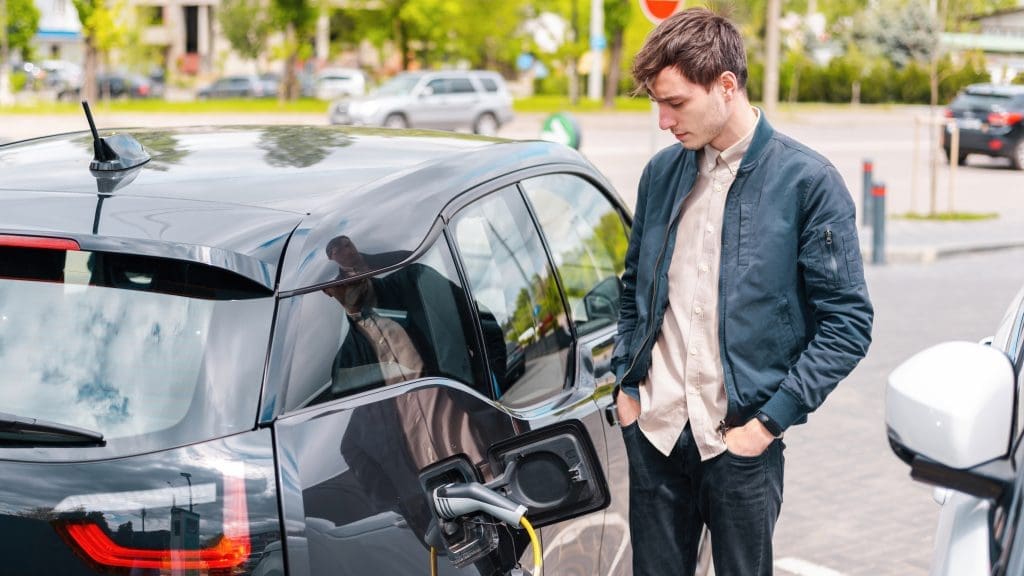
What Happens If an EV Charger Is Broken? Your Guide to Backup Charging in the UK
It has happened to almost every EV driver at least once. You plan your journey, check the map, arrive at the charger, and then the screen is blank, the unit refuses to start, or the dreaded out-of-service message appears.
It is frustrating. It can feel stressful. And if your battery is already lower than you would like, it can quickly turn a simple charging stop into an unwanted drama. But a broken EV charger is not a reason to avoid going electric. It is a reason to have a sensible backup plan.
This guide explains what to do when an EV charger is not working, why chargers sometimes fail, and how to reduce the chance of being caught out on future journeys.
The simple rule: do not treat one charger as your only option. Check live status before you travel, keep a sensible battery buffer, and always know where your next nearest backup charger is.
Why do EV chargers break down?
Public EV chargers are complex pieces of infrastructure. They sit outdoors, operate in all weather, serve multiple drivers each day, and rely on hardware, software, payment systems, network connectivity, and the local power supply all working together.
Common causes of EV charger faults include:
- Connectivity issues: many chargers rely on mobile data or internet connectivity to authenticate sessions, process payments, and communicate with the network backend.
- Cable or connector damage: connectors can wear over time, become damaged, or be affected by misuse or vandalism.
- Payment system faults: a contactless reader or payment terminal can fail even if the charging hardware itself is functioning.
- Power supply interruptions: local electrical issues or grid-related faults can temporarily take a charger offline.
- Software or backend problems: firmware updates, server issues, or communication failures can stop a charger from starting a session properly.
None of these are excuses. They are explanations. The industry has improved significantly, and regulation has pushed operators towards better reliability, clearer pricing, open data, and better customer support. Even so, faults can still happen, which is why preparation matters.
What to do when you arrive at a broken EV charger
Step 1: Check all available bays and connectors
If the site has multiple chargers, bays, or connectors, check whether the issue is limited to one unit. It is fairly common for one connector or bay to be unavailable while another remains usable.
Step 2: Try a simple restart
Some faults are temporary. If the charger has not started properly, end the attempted session if needed, unplug safely, wait briefly, and try again. If using an app, check whether the session has failed or remained pending before attempting a second start.
Step 3: Check payment and session status
If the charger accepted a payment request but did not start, check your app or payment method for any pending authorisation. In many cases, a failed charging attempt will not become a completed charge, but it is still worth keeping a screenshot or session reference if anything looks unclear.
Step 4: Report the fault
Use the fault-reporting option shown on the charger, the operator’s app, or the support route displayed on the unit. When reporting the issue, include the charger’s unique reference number, location, connector used, time of the attempt, and a short description of what happened.
This helps the operator identify the specific unit and prioritise the repair. It also helps other drivers avoid the same wasted trip.
Step 5: Open your charging app and find the next best option
This is where a reliable charging app earns its place on your phone. ONEEV helps drivers search nearby charge points, check live availability where supported, and identify an alternative without having to start again from scratch.
Step 6: Stay calm and protect your battery buffer
Unless you are critically low, a broken charger is usually an inconvenience rather than an emergency. This is why the “top up, do not run down” approach works so well. Keeping a buffer of around 15% to 20% on longer trips gives you choices if your first charger is unavailable.
Practical tip: if you are below 20%, prioritise the nearest reliable rapid option rather than the cheapest or most convenient one. Once you have enough charge, you can make a calmer decision about where to stop next.
How to avoid being caught out by a broken charger
Check live availability before you travel
Do not rely only on a charger existing on a map. A good app should help you understand whether the charger is available, in use, or potentially unavailable before you set off. Live status data can save wasted mileage and reduce unnecessary stress.
Always identify a backup charger
When planning a public charging stop, pick your first-choice charger and then note your backup. That backup does not need to be perfect. It just needs to be reachable and suitable if your preferred charger is out of service, occupied, or inaccessible.
Build in a sensible battery buffer
Planning to arrive with 5% may look efficient on paper, but it gives you very little flexibility in the real world. A buffer of 15% to 20% on longer journeys can be the difference between mild irritation and genuine stress.
Know your connector type
Before relying on a backup charger, check that it supports your vehicle. Most modern EVs use Type 2 for AC charging and CCS for rapid DC charging, while some older vehicles may use CHAdeMO. Compatibility matters, especially when you are already short on time.
Carry a Type 2 cable
Some public AC chargers are untethered, which means you need to provide your own cable. Carrying a Type 2 cable gives you more options, especially if a rapid charger is unavailable and you need a slower but workable backup.
Use reliable locations for critical charging stops
On longer journeys, plan key charging stops around larger hubs, motorway services, or sites with multiple units where possible. A single isolated charger gives you fewer options if something goes wrong.
What the regulations say about charger reliability
The Public Charge Point Regulations 2023 were introduced to improve the public charging experience across the UK. They cover areas such as payment, open data, pricing transparency, helpline support, and charger reliability.
For drivers, the most relevant point is that rapid charge point networks are subject to a 99% reliability requirement, measured across an operator’s rapid network. Public charge point operators are also required to provide a staffed 24/7 telephone helpline for public charge points, and pricing must be presented clearly in pence per kilowatt hour.
That is positive progress, but it does not mean every individual charger will always work. Reliability is measured across networks, not as a guarantee that a specific charger will never fail. The practical takeaway is simple: the network is improving, but smart backup planning is still part of confident EV driving.
ONEEV: your real-time backup plan
ONEEV was built because EV drivers should not have to feel stranded by confusing, fragmented, or unreliable charging experiences. When a charger is unavailable, the answer should not be panic. It should be a clear next step.
With ONEEV, drivers can search for nearby chargers, check live status where supported, view useful charging information, and find an alternative more quickly. That makes public charging feel less like guesswork and more like a normal part of the journey.
Helpful next reads: explore How to Find EV Charging Stations Near You in the UK, read One App for Every Charger, and see How to Charge Your EV in 4 Easy Steps with the ONEEV App.
Frequently Asked Questions
What should I do if an EV charger will not start?
Check whether another bay or connector is available, restart the session if safe to do so, confirm your payment or app status, and report the fault using the support route shown on the charger.
Can I get a refund if a charger fails mid-session?
In many cases, network operators will review failed sessions and correct any incorrect charge. Keep the session reference, charger ID, time, location, and screenshots so customer support can investigate quickly.
How do I know if an EV charger is working before I drive to it?
Use an EV charging app that shows live availability or charger status where supported. ONEEV helps drivers check nearby charge points and identify suitable alternatives before travelling.
Are EV charger operators required to fix broken chargers quickly?
UK regulations require rapid charge point networks to meet a 99% reliability standard, but this is measured across the operator’s rapid network rather than guaranteeing that every individual charger will always be available.
How do I report a broken EV charger?
Use the fault-reporting details shown on the charger, the operator’s app, or the support route provided at the charging location. Include the charger reference number, location, time, connector used, and what happened.
Do not let one broken charger ruin the journey
ONEEV helps you search nearby chargers, check live status where supported, and find backup charging options across the UK and Ireland.
Explore the ONEEV app here or browse more practical EV guidance in ONEEV Insights.