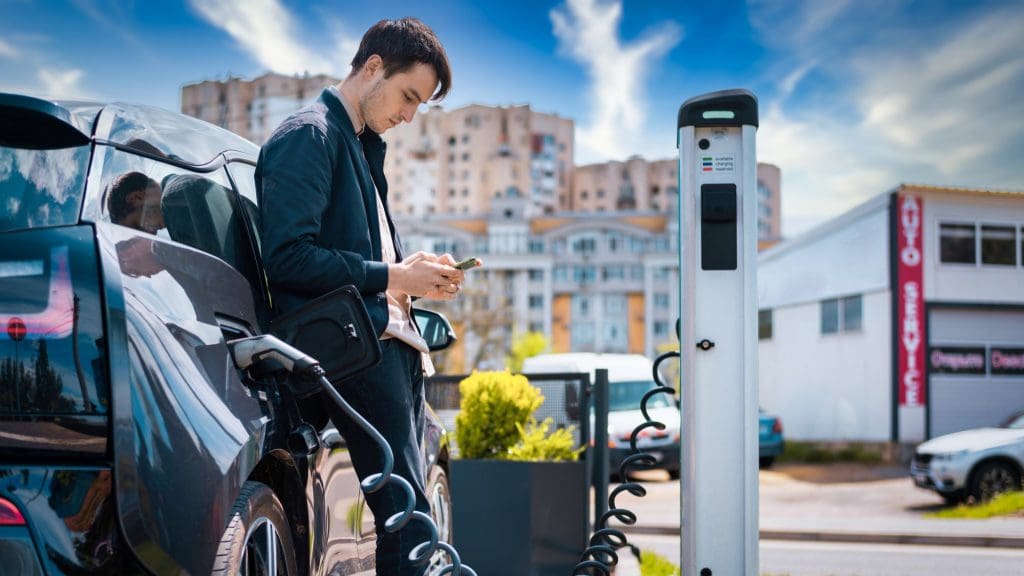
The UK’s electric vehicle transition is now mainstream. The real pressure point is not adoption, but whether public charging infrastructure can scale fast enough to support everyday driving by 2030.
This is not just a numbers challenge. It is about delivery, reliability, accessibility, and trust.
Why 2030 is the pressure point
Public charging infrastructure takes time. Planning, grid connections, land agreements, civil works, installation, and long-term maintenance all have to line up.
Charging also matters most to drivers without off-street parking, those in flats, and anyone relying on predictable access away from home.
Where the UK is today
Estimates commonly suggest the UK will need between 250,000 and 550,000 public charge points by 2030, depending on EV adoption and charging behaviour.
What “good” looks like by 2030
For drivers, success means low-effort charging. Simple, predictable, and boring in the best way.
- Coverage that matches real life: towns, suburbs, rural routes, and homes without driveways
- More charging hubs: multi-bay sites that reduce queues
- Accessible design: step-free access, sensible bay geometry, reachable controls
- Clear pricing: no surprises before charging starts
- Reliable status data: availability that reflects reality
What drivers can do now
- Check live availability before setting off
- Keep a nearby Plan B
- Prefer multi-bay locations
- Use simple in-app payment where possible
- Keep session history for support
How ONEEV helps
ONEEV is built around the real-world driver experience, helping reduce friction, improve clarity, and make public charging easier to trust.