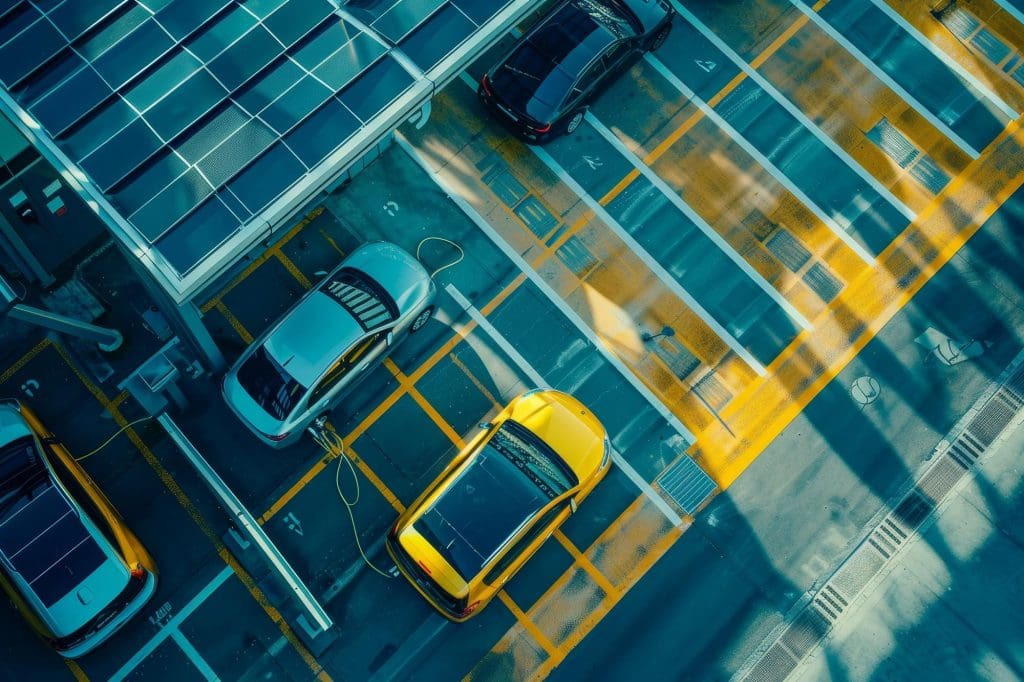
For years, Vehicle-to-Grid has been described as the holy grail of EV ownership. The idea is simple and compelling. Your car charges when electricity is cheap, then sends power back to your home or the grid when demand is high.
In winter, when energy prices rise and evenings stretch longer, the question becomes practical rather than theoretical. Can your EV actually power your home in 2026?
The answer is more nuanced than the headlines suggest.
For drivers already managing charging schedules, this guide provides useful grounding: EV charging near me .
What Is Vehicle-to-Grid?
Vehicle-to-Grid, commonly referred to as V2G, allows electricity to flow both into and out of an electric vehicle battery.
Unlike standard charging, which is one-directional, V2G relies on bidirectional chargers and compatible vehicles. This enables the car to act as a temporary energy store.
In theory, this helps stabilise the grid and reduce household energy costs.
Vehicle-to-Home vs Vehicle-to-Grid
These terms are often used interchangeably, but they are not the same.
- Vehicle-to-Home (V2H): Your EV powers your home directly
- Vehicle-to-Grid (V2G): Your EV exports energy back to the national grid
In 2026, V2H is generally easier to implement than full grid export.
What Is Actually Available in 2026
Despite years of pilot programmes, V2G remains limited.
Only a small number of vehicles support bidirectional charging, and compatible home chargers are still expensive and tightly controlled.
Most live deployments remain trial-based rather than mass-market.
Grid-level experimentation continues under the oversight of organisations such as :contentReference[oaicite:0]{index=0}.
Further context is available here: National Grid future energy scenarios .
Can an EV Power a Home in Winter?
Yes, technically.
A typical EV battery holds far more energy than a domestic home battery system. In controlled conditions, it can support essential household loads for short periods.
However, winter introduces complexity. Heating demand rises, solar output falls, and maintaining sufficient driving range becomes a priority.
This makes full-home coverage impractical for most drivers.
The Real Barriers
- Limited vehicle compatibility
- High cost of bidirectional chargers
- Warranty and battery degradation concerns
- Grid approval and export constraints
These factors explain why V2G has not yet become mainstream.
Who V2G Actually Works For
In 2026, V2G is best suited to a narrow group:
- Drivers with predictable daily mileage
- Homes with time-of-use tariffs
- Participants in formal energy trials
- Households with complementary solar systems
For most drivers, smart charging still delivers the majority of savings without added complexity.
Smart Charging vs V2G
Smart charging shifts when energy is used. V2G changes where it flows.
In cost-benefit terms, smart charging remains far simpler, cheaper, and more reliable for the average household.
For drivers still optimising charging behaviour, this guide is a practical starting point: smart charging basics .
The Likely Path Forward
V2G will arrive gradually.
Fleet vehicles, workplace charging, and managed energy systems will adopt it first. Home use will follow once standards stabilise and costs fall.
In the meantime, EVs already offer substantial energy flexibility without exporting power at all.
FAQs
Can my EV power my home today?
Only with specific vehicles and specialist chargers, often as part of a trial.
Is V2G available to most drivers?
No. Availability remains limited in 2026.
Does V2G damage batteries?
Additional cycling may increase wear, which is why warranties matter.
Is V2G worth it financially?
For most households, smart charging delivers better value today.
Will V2G become common?
Yes, but adoption will be gradual rather than immediate.