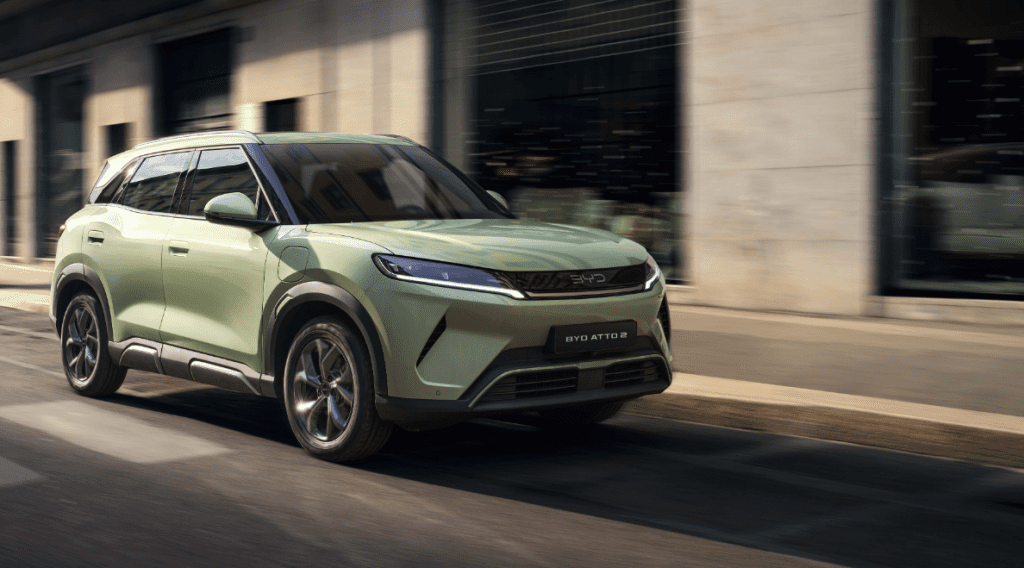
In 2026, the UK has hit an EV tipping point. The value conversation is no longer “Can I afford an electric car?” It is “Which one is actually the smartest buy?” Tesla is still a major player, but it is no longer the default choice for the value-conscious Brit, and Chinese brands are rising quickly in UK registrations.
The quick verdict
- Best value all-rounder: MG4
- Best “new brand” confidence play: BYD Dolphin
- Best for motorway-heavy life: Tesla Model 3
1) Price parity: the 2026 reality check
The gap is real. MG4 typically sits in the high £20k bracket, BYD Dolphin is usually in the low £30k bracket, and Tesla Model 3 starts higher in the UK market. That is why Tesla is no longer the automatic “value” pick for every British buyer.
2) UK winter reality: reliability is often a planning question
Modern EV reliability is less about the badge and more about battery coverage, predictable cold-weather performance, and charging speed consistency. Warranties matter if you are sceptical about newer brands.
Warranty reassurance (why it matters)
- MG: a long-running 7-year / 80,000-mile warranty structure for eligible registrations.
- BYD: warranty tables reference 6 years basic cover (up to 150,000 km) and an 8-year / 200,000 km battery warranty with SOH thresholds.
- Tesla: battery and drive unit warranty terms vary by model, commonly 8 years with mileage limits and a minimum battery retention target.
3) Charging speed: the real winner is rarely the highest peak number
MG4 charging
MG4 sits in a practical sweet spot. Rapid charging is commonly quoted in the 117 kW to 135 kW region depending on the battery, with 10 to 80% charging often landing in the mid to high 30-minute range. That suits UK infrastructure well, because 150 kW units remain a key part of many charging hubs.
BYD Dolphin charging
BYD Dolphin is often referenced as capable of roughly 36 minutes from 10 to 80%, with public charging speed figures typically positioned around the ~110 kW mark in UK reviews. In everyday terms, it is absolutely modern-fast rather than “budget slow”.
Tesla Model 3 charging
Tesla’s advantage is not only speed. It is the ecosystem. Tesla has long publicised peak rates up to 250 kW per car on V3 Supercharging, and UK infrastructure reviews still rate Tesla highly for ease and reliability on long journeys.
4) 800V architecture: exciting, but not magic
You will hear a lot about 800V in 2026. Some newer Chinese models push it hard, and BYD has moved the Seal to 800V electricals in at least some markets. The practical truth is that 800V only helps if you can access chargers that support the speeds, and the car holds strong charging power across the session.
5) Which one should you buy?
Choose BYD if you want “new brand, high reassurance” with strong warranty coverage and modern charging performance.
Choose MG4 if you want the best value maths, a low buy-in, and a no-drama charging experience that matches typical UK rapid infrastructure.
Choose Tesla if you do serious motorway miles and want the easiest long-distance charging routine, even if the purchase price is higher.
The ONEEV integration
A value EV only feels like a bargain if it fits your charging life. ONEEV helps you find reliable hubs and charging locations that match your real-world needs, so you spend less time gambling on random pins and more time charging with confidence.
Bottom line
MG4 is the best-value “no drama” choice for most UK drivers in 2026. BYD Dolphin is the smart, confidence-building entry point into the new wave of Chinese EVs. Tesla Model 3 still wins for long-distance convenience, even if it is not the cheapest way into EV ownership.
FAQs
What is the best value EV in the UK in 2026?
For many drivers, value comes down to purchase price, warranty reassurance, and charging practicality. MG4 and BYD Dolphin are strong value options, while Tesla Model 3 is often chosen for long-distance charging convenience.
Is a Chinese EV reliable for a UK winter?
Reliability is usually about battery coverage, predictable cold-weather performance, and charging consistency. Newer brands often support confidence with long warranties, but winter planning and route charging choices still matter.
Is 800V charging essential?
Not essential for most UK drivers. It can reduce charge times where very high-power chargers exist, but many excellent value EVs run 400V-class systems and still charge quickly enough for normal UK travel.
How does ONEEV help with these cars?
ONEEV helps you find reliable charging hubs and locations that suit your journey, reducing the risk of wasted stops and improving the real-world ownership experience of any EV.
Helpful links
External references: UK market competition context (Reuters), MG4 UK pricing example, BYD Dolphin UK pricing example, Tesla V3 Supercharging (250 kW peak), Government EV charging investment (context).