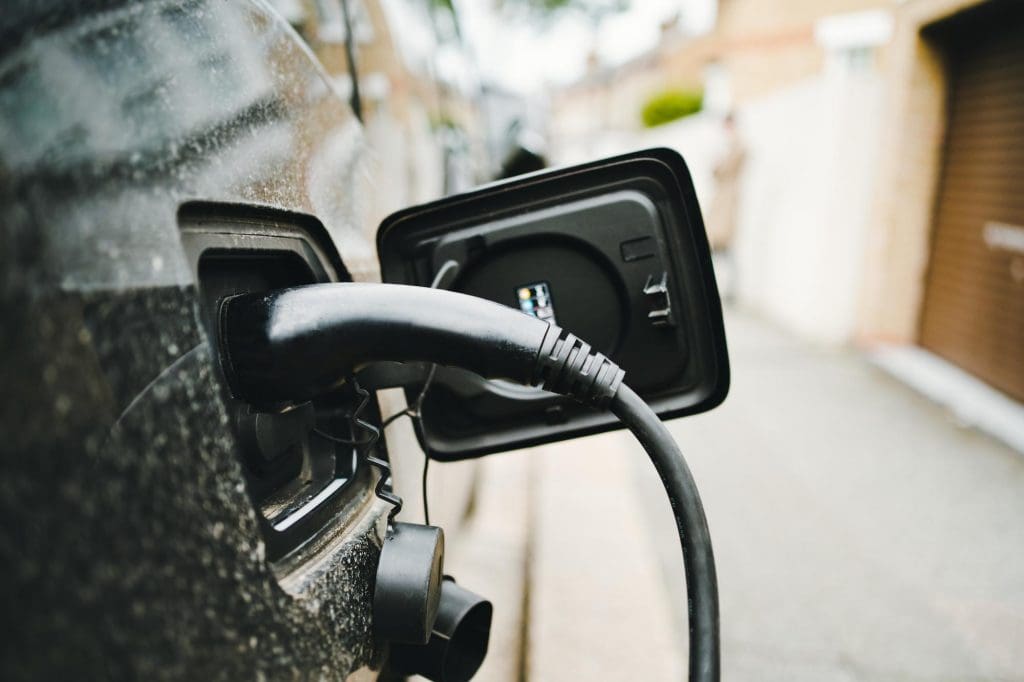
EV Charging Without a Driveway: The 2026 UK Guide to “Lead-Free” Living
Introduction
For years, the biggest barrier to EV ownership was the “driveway divide.” If you lived in a terrace house or a flat, charging felt impossible. But in 2026, the UK has officially entered the “Lead-Free” era. New regulations and innovative “gully” tech mean that home charging is no longer a luxury for those with off-street parking.
1. The Rise of the Charging Gully (Kerbo Charge & Gul-e)
The most significant breakthrough for 2026 is the cross-pavement cable channel. Instead of trailing a dangerous cable across the sidewalk, you can now install a slim, lockable channel embedded into the pavement.
How it works: You park outside your house, slot your cable into the floor-level gully, and plug in. It is flush with the pavement, meaning no trip hazards for pedestrians.
The 2026 Grant: The OZEV grant now covers 75% of the cost (up to £350) for gully installations in participating council areas.
2. Lamp-post Charging: The Urban Secret
Many UK councils, particularly in London, Birmingham, and Bristol, have finished retrofitting streetlights with charging points.
The Benefit: No new hardware on the street. You just use your standard Type 2 cable.
Cost: Rates are typically higher than home energy but significantly lower than motorway rapid chargers.
3. The “Supermarket Swap” Strategy
With Sainsbury’s Smart Charge and Tesco (Pod Point) now offering high-speed 150kW hubs in almost every major town, many “no-driveway” drivers have ditched home charging entirely. A 30-minute weekly shop now provides enough range for the average UK commute.
Expert View: “In 2026, the ‘Driveway Requirement’ is a myth. Between cable gullies and the density of supermarket hubs, urban charging is now as convenient as a trip to the petrol station used to be.” – ONEEV Urban Planning Team.