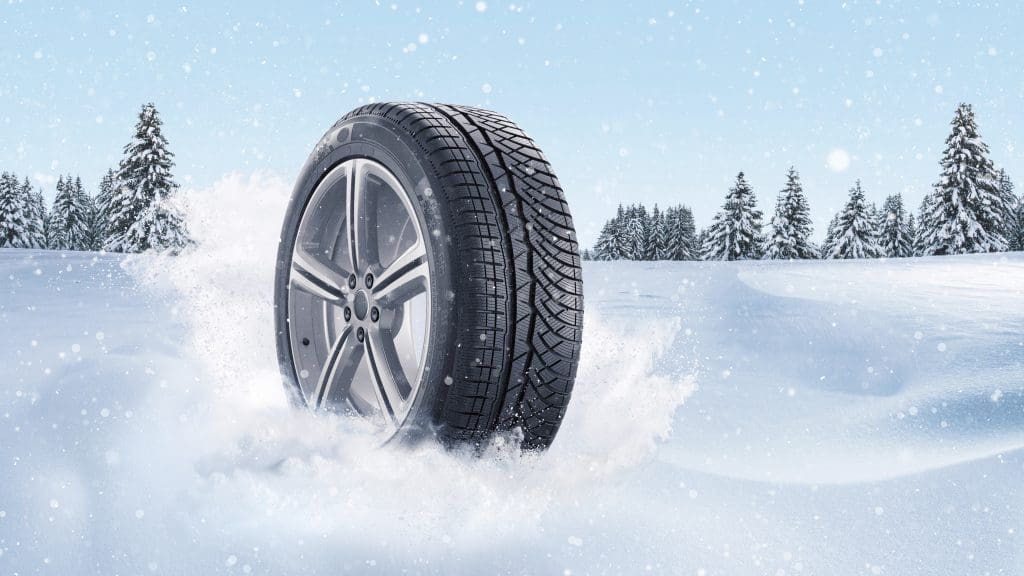
Few topics spark as much debate among British EV drivers as winter tyres. Petrol and diesel owners have argued about them for years, yet the conversation is very different when you add the weight, torque and regenerative braking of an electric car. With colder weather, Christmas travel and long motorway journeys approaching, the question becomes unavoidable: do UK EV drivers actually need winter tyres in 2025, or are they an unnecessary expense?
Why Winter Tyres Are a Different Conversation for EV Drivers
Electric cars behave differently in cold conditions. They are heavier due to large battery packs, deliver instant torque to the wheels and rely heavily on traction for safe regenerative braking. This makes tyre performance more noticeable than in lighter petrol or diesel vehicles.
While UK winters are generally mild, temperatures frequently drop below seven degrees Celsius, the threshold where winter tyres outperform summer tyres in grip, braking and stability. For EV drivers, this temperature shift has a more pronounced effect.
How Winter Tyres Improve EV Safety and Performance
Winter tyres are designed with specialised rubber compounds and deeper tread patterns, allowing them to grip cold, wet or slushy surfaces far more effectively. Their benefits include:
- Shorter braking distances in cold and damp conditions.
- Better traction for instant EV torque, preventing wheel spin.
- Improved stability when regenerative braking activates.
- Enhanced control on frost, sleet, or lightly snowy roads.
- Less tyre wear compared with using summer tyres in low temperatures.
According to independent safety data published by the RAC, winter tyres can reduce braking distances by up to thirty percent on cold surfaces – a meaningful difference during busy Christmas travel periods.
Do UK EV Drivers Really Need Winter Tyres?
The honest answer is: it depends on how and where you drive. Winter tyres are not mandatory in the UK and many areas rarely see snow. However, for EV owners who regularly travel early in the morning, commute long distances or live in colder regions, winter tyres can provide a noticeable improvement in safety and confidence.
You are more likely to need them if:
- You live in Scotland, North England, the Midlands or rural Wales.
- Your commute involves country roads prone to frost.
- You drive at dawn or late evening when temperatures are lowest.
- You are travelling long distances this Christmas.
- Your EV has rear-wheel drive or high torque output.
You may not need them if:
- You live in southern England with mild winters.
- Your EV is all-wheel drive with strong stability systems.
- You mostly drive short urban journeys.
- You store your car in a garage and drive in milder daytime conditions.
Ultimately, winter tyres are about risk reduction. EVs benefit from them more than most vehicles, but whether they are essential depends on climate and driving habits rather than general rules.
The Best Winter Tyres for EVs in 2025
The UK market now offers specialised winter tyres developed for heavier electric cars. These tyres support higher torque, lower rolling resistance and improved strength for EV weight.
- Michelin Pilot Alpin 5 EV – Designed specifically for electric cars, offering strong grip and quiet performance.
- Continental WinterContact TS 870 – Excellent wet braking and efficient rolling resistance for winter efficiency.
- Goodyear UltraGrip Performance+ – Balanced winter performance with strong cold-weather stability.
- Pirelli Scorpion Winter 2 – A good match for larger electric SUVs and crossovers.
EV-specific winter tyres are engineered to handle higher loads and maintain durability, making them ideal for drivers covering long winter routes or carrying passengers during holiday travel.
How Winter Tyres Affect EV Range
Winter tyres provide greater grip, but slightly higher rolling resistance. In older EVs, this could have caused minor range reductions. However, modern 2025 EV-optimised winter tyres are far more efficient, often reducing range by only one to three percent. For most drivers, the safety benefit far outweighs this small difference.
Besides, an EV’s biggest winter energy drain comes from heating rather than tyres. Features such as pre-conditioning, heated seats and efficient HVAC usage make a far greater impact on range than tyre choice alone.
How ONEEV Helps You Travel Safely This Christmas
Whether you choose winter tyres or not, the best way to stay safe during Christmas travel is to plan ahead. ONEEV gives UK drivers real-time EV charging information, secure in-app payments and transparent pricing so that winter journeys are smooth and predictable.
- Real-time charger availability prevents wasted miles to busy or offline chargers.
- Secure in-app payments avoid outdoor card readers that may not work in freezing conditions.
- Transparent pricing makes Christmas budgeting easier.
- A growing national network keeps long routes flexible and stress-free.
- Lifestyle and travel guidance helps you plan winter road trips with confidence.
Final Thoughts
Winter tyres are not essential for every EV driver in the UK, but they offer meaningful safety benefits for many. Their improved grip, shorter braking distances and stronger cold-weather performance make them ideal for heavier electric cars, especially if you are travelling long distances this Christmas. For drivers in city centres or warmer regions, all-season tyres may be sufficient. The key is understanding your driving conditions and making an informed choice.
With or without winter tyres, planning your route with ONEEV ensures your Christmas journeys remain smooth, safe and enjoyable from start to finish.
Frequently Asked Questions
Do EVs need winter tyres in the UK?
Not always, but winter tyres offer significant benefits for EV drivers in colder regions, rural areas or during long winter journeys.
Do winter tyres reduce EV range?
Modern EV winter tyres are efficient and usually reduce range by only one to three percent, far less than older-generation tyres.
Are winter tyres worth it for occasional Christmas travel?
If you are travelling long distances or driving early in the morning or late at night, winter tyres may improve safety and confidence.